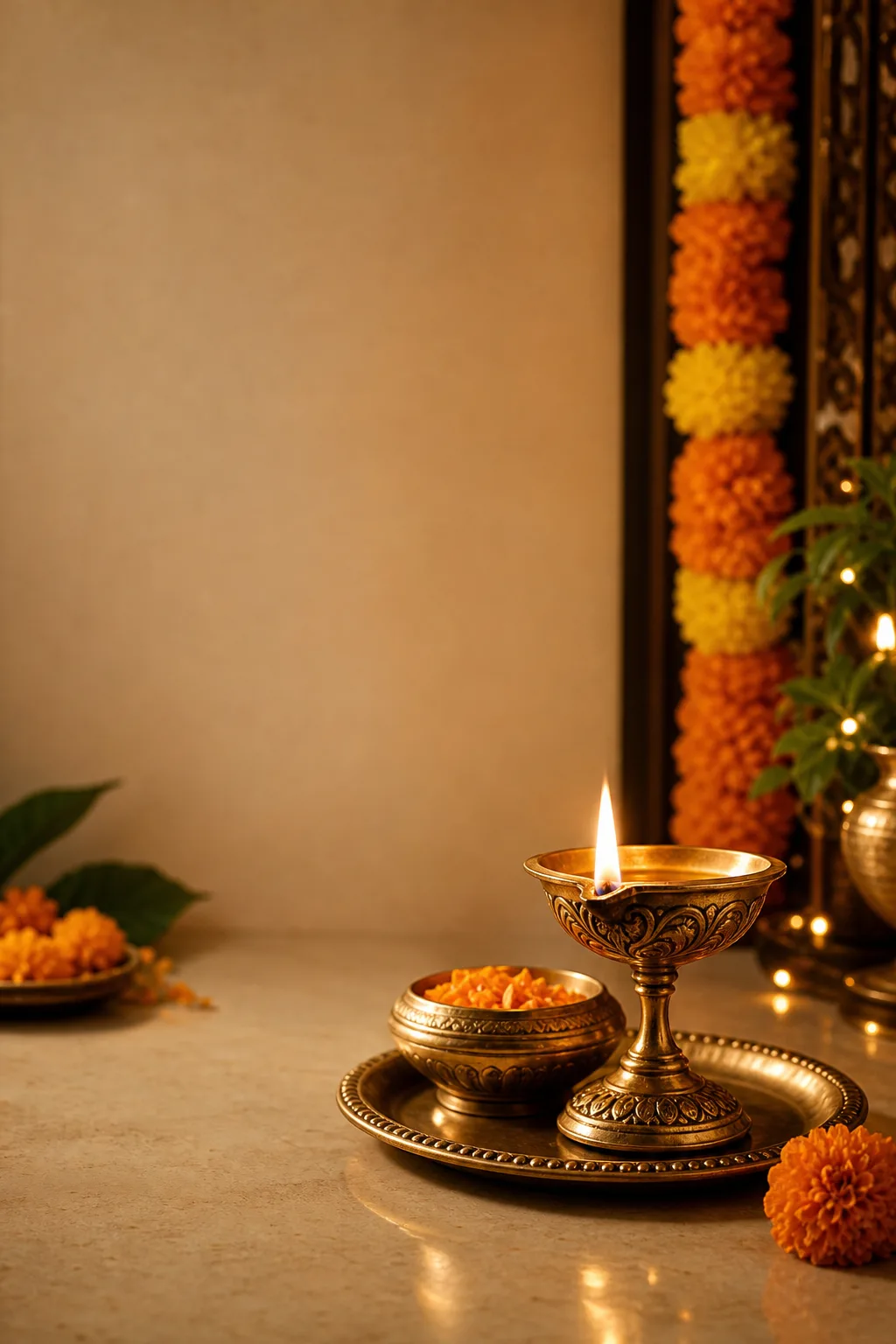
Dhanteras greetings are a simple way to send warmth and good wishes as families begin their Diwali celebrations. Whether you are messaging relatives, friends, or colleagues, a thoughtful line can make the occasion feel more personal—even when you cannot celebrate together.
Below, you’ll find short messages for different relationships, practical tips for choosing the right wording, and a quick comparison to help you match your greeting to the recipient. Dhanteras falls on a date that varies each year, so check a trusted local calendar for the observance date before sharing a time-specific message.
Dhanteras Greetings to Share on WhatsApp
A WhatsApp greeting works best when it is easy to read and sounds like something you would genuinely say. Keep the message concise, include the recipient’s name when appropriate, and choose a wish that reflects your relationship. These options are ready to share or adapt:
- Wishing you and your family a bright and joyful Dhanteras. May the festive season bring warmth to your home.
- Happy Dhanteras! May your celebrations be filled with peace, laughter, and time with the people you cherish.
- Sending heartfelt wishes for a prosperous and peaceful Dhanteras. Have a wonderful start to the festivities.
- May the glow of Dhanteras bring happiness and hope to your home. Warm wishes to you and your loved ones.
- Wishing you a beautiful Dhanteras and a festive season full of meaningful moments together.
Make a short wish feel personal
A brief greeting can still feel distinctive. Add a familiar sign-off, mention a shared tradition, or include a personal sentence after the wish. For example, you might add, “Looking forward to celebrating with you soon,” if that is true. Avoid forwarding a message that sounds too intimate to a professional contact or too formal for a close friend.
Emojis can add a festive touch, but they are optional. One diya or sparkle may suit a casual message; a plain-text greeting is often a better fit for a workplace group. Choose a format that is easy for the recipient to read and appropriate to your relationship.
Choose Dhanteras Greetings for Each Relationship
The same message does not suit every recipient. A greeting for parents may express affection and gratitude, while a note to a colleague can stay warm but professional. Thinking about who will receive your message helps you choose the right level of familiarity and the most fitting wish.
Messages for family and close friends
For family, focus on togetherness, affection, and shared celebrations. You could write, “Happy Dhanteras, Ma and Papa. Sending love and wishing you a peaceful, joyful celebration.” For a friend, try, “Wishing you a lovely Dhanteras and a Diwali season full of good memories. Let’s catch up soon!” These personal details make a greeting feel less like a mass-forwarded message.
Messages for colleagues and groups
For work contacts, use inclusive language and avoid assumptions about how someone celebrates. A simple option is: “Wishing you and your family a happy Dhanteras and a wonderful festive season.” In a group chat, a short greeting that includes everyone can be more considerate than a highly personal message.
| Recipient | Suitable tone | Example approach |
|---|---|---|
| Family | Affectionate | Share love and wishes for a happy celebration |
| Close friend | Relaxed | Pair a warm wish with a personal note |
| Colleague | Professional | Offer inclusive festive-season wishes |
| Group chat | Friendly and brief | Choose a greeting suitable for everyone |
When unsure, choose kind, neutral wording and keep the message focused on goodwill.
Write Thoughtful Dhanteras Greetings with Cultural Care
Dhanteras is commonly observed as part of the Diwali festival period, and families may mark it in different ways. Some people focus on prayers or household traditions; others use the day to connect with family and begin festive preparations. Because customs and personal practices vary, a greeting can acknowledge the occasion without suggesting that everyone celebrates identically.
Keep the wording accurate and inclusive
Use familiar, respectful language such as “wishing you a joyful Dhanteras” or “warm wishes for the festive season.” If you know the recipient’s tradition, you can make your message more specific, but there is no need to add religious details you are unsure about. A thoughtful greeting does not need a quotation, a claim about the festival’s history, or a prediction of good fortune.
Also consider timing. The date of Dhanteras changes from year to year because it follows the Hindu lunar calendar, and observance details may differ by location. If you are scheduling a greeting, verify the date using a reliable calendar relevant to the recipient rather than relying on an old forwarded post.
Personalize without overcomplicating
One sincere sentence can be more meaningful than a long, elaborate paragraph. Mention a shared meal, a planned visit, or your appreciation for the person if that reflects your relationship. For example: “Wishing you a peaceful Dhanteras. I’m grateful we’ll get to celebrate together this season.” Keep the message honest, considerate, and easy to understand.
For recipients who do not observe the festival, an inclusive seasonal wish can recognize the occasion while respecting their preferences. Let familiarity guide the choice.
Share Dhanteras Messages Clearly on WhatsApp
Even a well-written greeting can be overlooked if it is difficult to read or sent to the wrong chat. Before sharing, check the recipient, spelling, and any personal details. If you are sending a message to several people, consider whether a group greeting is appropriate or whether individual notes would feel more thoughtful.
Simple ways to improve your message
- Keep the greeting near the beginning so the purpose is immediately clear.
- Use short sentences and familiar words, especially in busy family or community chats.
- Choose an image or text-only format based on what the recipient can comfortably view.
- Review forwarded content before sending, including its wording and any date information.
- Personalize a copied greeting rather than presenting someone else’s wording as your own original message.
If you share a festive image, choose one that is clear on a phone screen and does not crowd the message with tiny text. A concise caption can explain why you are sharing it. For a professional contact, a text greeting may be more suitable than a decorative image or a chain message.
Save and reuse thoughtfully
You can keep a small collection of greetings for different occasions, but adapt each one before sending. Replace generic wording with the recipient’s name or a genuine personal note, and remove lines that do not fit your beliefs or relationship. This prevents a warm wish from feeling impersonal.
Most importantly, share in a way that respects people’s time and preferences. A direct, kind message is usually enough; recipients do not need to respond immediately for your good wishes to matter.
Conclusion
The best Dhanteras greetings are sincere, considerate, and suited to the person receiving them. Choose a short message for a group, add a personal detail for someone close, and use inclusive wording when you are unsure about someone’s customs. Check the observance date before sending time-specific wishes, and review forwarded content rather than sharing it automatically.
Save a favourite message, make it your own, and share it with the people you care about. For more festival wishes, birthday messages, and WhatsApp greetings, explore DilseWishes.
Related Articles
- 100+ Sweet Good Morning Messages for Your Wife
- 130+ Good Morning Messages for Husband to Share
- Wedding Card Messages for Friends, Family, and Couples