💚 Daily Shayari & Wishes Free Me Pana Chahte Ho?
Rozana Romantic, Sad, Good Morning & Good Night Shayari ke liye hamara WhatsApp Channel join karein.
🔔 Daily Wishes Updates – Join Now
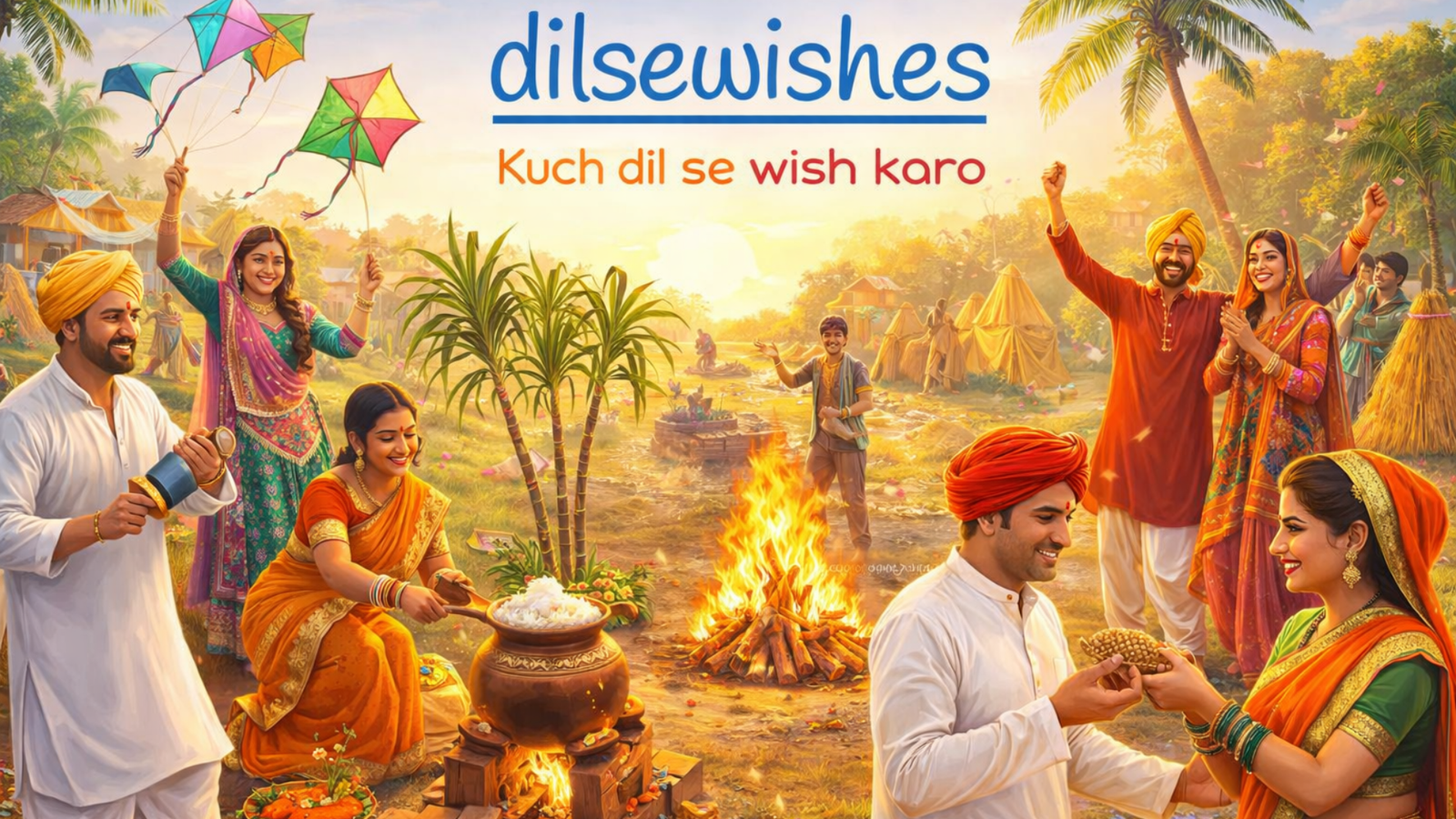
Makar Sankranti is one of the most beautiful festivals of India because it unites the entire country in celebration, even though every state celebrates it in a unique way. Falling in mid-January, Makar Sankranti marks the Sun’s transition into the zodiac sign Capricorn (Makar) and the beginning of longer, warmer days. It is not just an astronomical event, but also a cultural and spiritual turning point that symbolizes new beginnings, positivity, and prosperity.
What makes Makar Sankranti special is its “Unity in Diversity.” From North to South, East to West, the festival is celebrated with different names, traditions, foods, and customs — yet the spirit of gratitude, joy, and togetherness remains the same.
Makar Sankranti in North India
In Uttar Pradesh, Bihar, and Jharkhand, Makar Sankranti is known as Khichdi Parv. People wake up early, take holy baths in rivers like the Ganga, and donate food, clothes, and money. The main dish is khichdi made from rice and lentils, which is offered to God and then shared with family and the needy.
In Punjab and Haryana, the festival is celebrated as Lohri, a day before Makar Sankranti. Bonfires are lit, and people sing and dance around them, throwing sesame seeds, jaggery, peanuts, and popcorn into the fire as a sign of gratitude to nature.
Makar Sankranti in Western India
In Gujarat, Makar Sankranti is famous for its grand kite festival called Uttarayan. The sky becomes colorful with thousands of kites flying high. Families gather on rooftops, enjoy traditional sweets like chikki, tilgul, and undhiyu, and celebrate with great excitement.
In Maharashtra, people exchange tilgul (sesame and jaggery sweets) and greet each other with the words:
“Tilgul ghya, god god bola” – which means “Accept these sweets and speak sweetly.”
It promotes harmony, forgiveness, and good relationships.
Makar Sankranti in South India
In Tamil Nadu, Makar Sankranti is celebrated as Pongal and lasts for four days. People cook a special dish called Pongal made of rice, milk, and jaggery, and offer it to the Sun God. Houses are decorated with colorful kolams, and farmers thank nature for a good harvest.
In Andhra Pradesh and Telangana, it is celebrated with rangoli, kite flying, traditional dances, and family gatherings. In Karnataka, people share ellu bella (a mixture of sesame seeds, jaggery, coconut, and peanuts) as a symbol of happiness and unity.
Makar Sankranti in Eastern India
In West Bengal, the festival is celebrated as Poush Sankranti with the famous Pithe and Payesh (traditional sweets).
In Assam, it is called Magh Bihu, marking the end of the harvesting season. People build traditional huts called Meji and celebrate with community feasts.
Unity in Diversity
Though the names, food, and rituals are different, the heart of Makar Sankranti is the same everywhere — gratitude to the Sun, respect for farmers, joy of harvest, and togetherness. This is the true beauty of India: many cultures, but one spirit.
Makar Sankranti teaches us that just like different grains come together to make a delicious dish, different cultures come together to make India strong and beautiful.
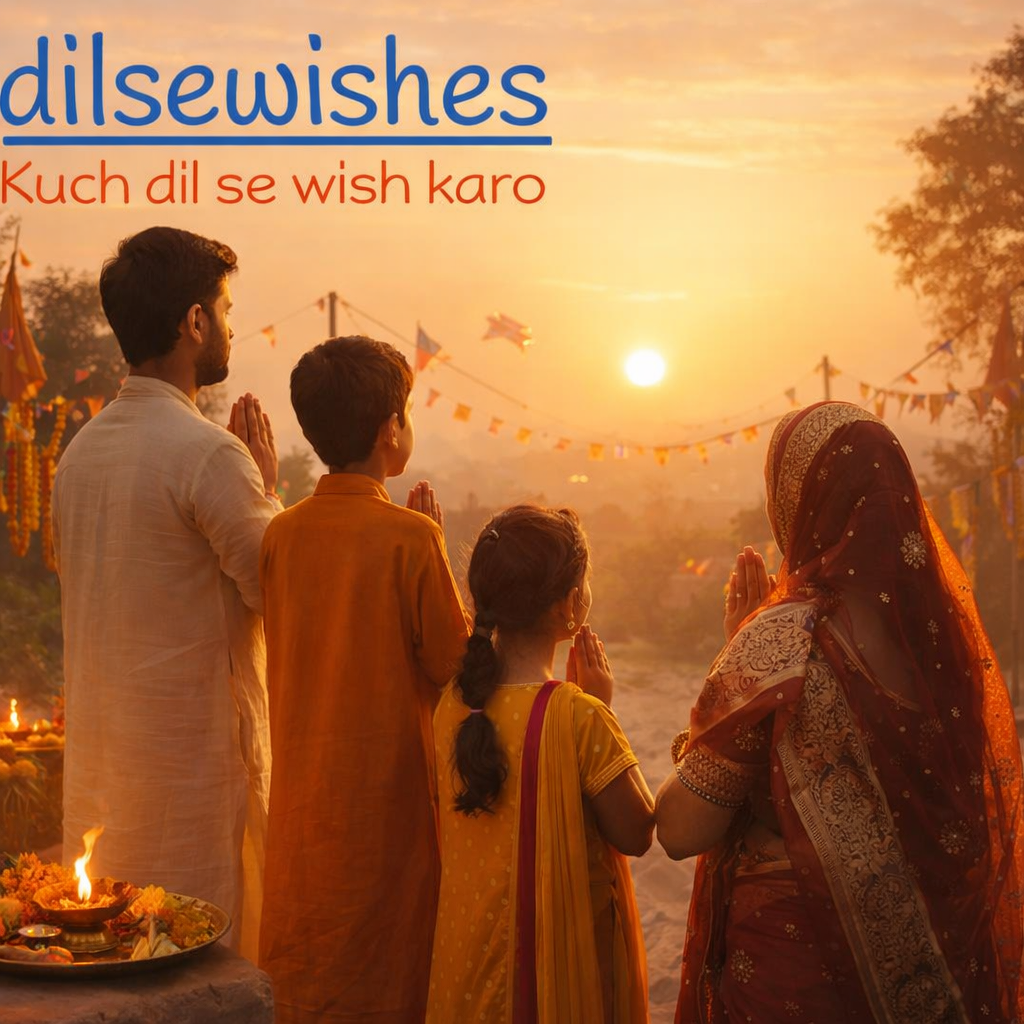
🌞 Makar Sankranti Wishes
Hindi Wishes
English Wishes
FAQs
Q1. Why is Makar Sankranti celebrated?
Makar Sankranti marks the movement of the Sun into Capricorn, symbolizing new beginnings, longer days, and positive energy.
Q2. Is Makar Sankranti celebrated all over India?
Yes, it is celebrated across India under different names like Pongal, Lohri, Magh Bihu, Uttarayan, and Khichdi Parv.
Q3. What is the importance of sesame and jaggery?
Sesame and jaggery represent warmth, sweetness, and good health during the winter season.
Q4. Why is kite flying associated with Makar Sankranti?
Kite flying symbolizes freedom, joy, and the arrival of brighter days.
Q5. What message does Makar Sankranti give?
It teaches unity, gratitude, positivity, and the importance of living in harmony with nature.